
Notice!
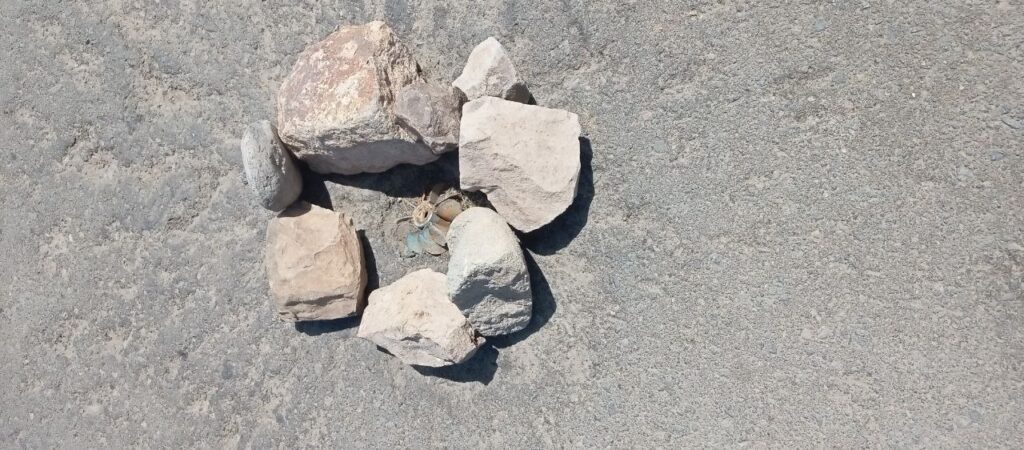
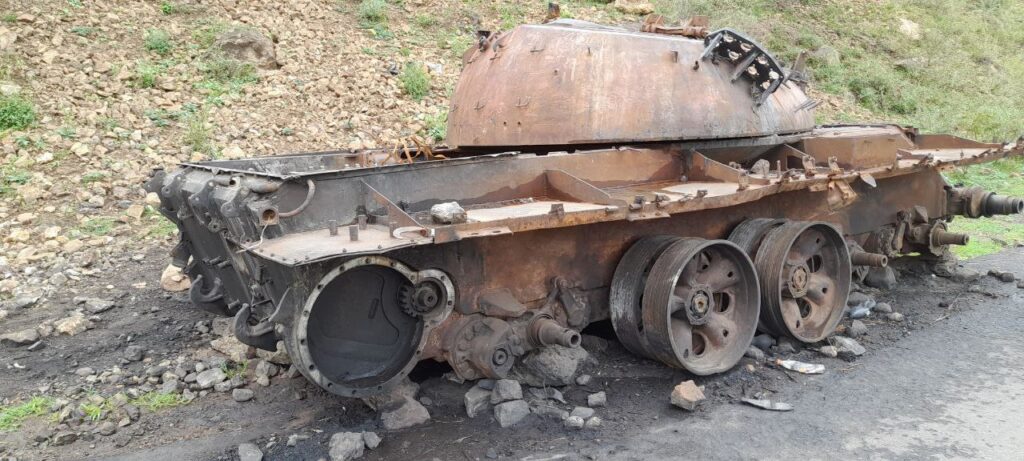
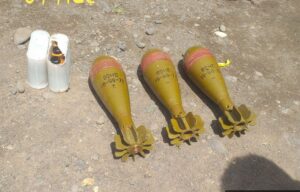
Explosives are weapons that are buried underground or planted above ground that can cause damage to people and animals and that can’t be seen. When it comes to their colors, they can be black, brown, green, gray, yellow, blue, white or red. Explosive remnants of war are remnants that have been fired and exploded or remnants that have remained unexploded. These explosive remnants are easy to see and can only be removed by a trained professional. Since they explode with a slight touch and even when we get close to them, we need to take special precaution. Areas where explosive remnants are found or suspected to be found are known as hazardous areas and the situation can be understood by asking the local residents or surveying the area. Explosives remnants of war can be found in any conflict areas and can be difficult to see from near or far.
Do you know this?
Explosives and explosive remnants cause physical, economic, psychological, social and other related devastations to human beings. They kill and injure people. They can cut off hands and feet and cause blindness. All explosives have great power to kill and injure even from a distance. From an economic point of view, they have a negative impact on agriculture and market, block the exchange of products, inhibit tourism, and destroy the source of income. Particularly, the number of individuals with disabilities in the society will increase, crime and illegality will spread indirectly, and the environment (soil, air, water) will be polluted as a result of the chemicals sprayed by explosives and explosive remnants.
Be careful!
When the precaution sign of explosive hazard is seen, it is necessary to realize that the area is hazardous. Since the devices can cause danger just by getting close, we should not approach and enter the dangerous area in any way. The absence of explosive warning signs doesn’t mean that the area is risk-free, and it is necessary to gather further information. The sign might have been removed by individuals or there may not be sign at all.
If we see an explosive (an explosive remnant) or a suspicious material in a safe place, we should never touch it. We have to stay away from the area, warn other people not to get close to the area, and remember the right place and inform the relevant security agencies about the situation. If we are in a safe place and our friend enters a hazardous place, we should tell him/her not to do anything, make him/her calm down, and if he/she calls us or gets injured, we should not enter the hazardous place.
When moving in war-ravaged areas, we should think that all places are hazardous. On top of that, we should follow the main road and footpath, and when we want to leave the main road, we should ask the local residents about the situation and make sure that the area is safe.